oxygen flow rate for pneumonia
Oxygen flow rates of 10-15Lmin can deliver FIO2 of up to 95 in these individuals. Oxygen therapy is widely used in the treatment of lung diseases.

Non Invasive Respiratory Support In The Treatment Of Acute Hypoxemic Respiratory Failure Secondary To Covid 19 Related Pneumonia European Journal Of Internal Medicine
However there is a small amount of room air which gets in the system so the FIO2 is invariably lower more like 80-90.

. Up to 100 humidified oxygen can be delivered at a high flow rate up to 60 Lmin that meets inspiration flow rates minimizing room air entrainment. It eliminates wastage and maximizes oxygen for pneumonia patients. Venturi masks are available in different forms which can convey and deliver low and fixed concentrations of oxygen at 25 30 35 and 40 percent.
Effects of Pneumonia on Oxygen Patients. There are two important things to consider when delivering supplemental oxygen to your patient. The optimal oxygen saturation SpO 2 in adults with COVID-19 who are receiving supplemental oxygen is unknown.
Low flow masksA concentration of up to 60 can be achieved with moderate oxygen flow rates 6-10 lmin and these masks are used mainly in type I respiratory failure for example pulmonary oedema pulmonary embolus. This gives the user peace of mind knowing that their supplemental oxygen therapy for pneumonia is always spot on. The optimal oxygen saturation SpO 2 in adults with COVID-19 who are receiving supplemental oxygen is unknown.
Now you know how to check your oxygen saturation using a pulse oximeter and also how to set your oxygen concentrator flow to the right dosage of oxygen whether its being used by 1 or 2 people. Ideally youll want to see numbers between 95 and 100. 70 PaO 2 37 mmHg in patients who have had cardiac surgery of their congenital cyanotic heart disease.
The provider sets the flow rate and Fi02. 5 This system provides high-flow 30 to 60 LPM oxygen that is heated to body temperature 37 o C and is fully saturated 100 relative humidity with minimal or no rainout in the tubing. These pneumonia patients are very sick and may get worse quickly.
These patients also had higher morbidity and mortality rates and required mechanical ventilation when compared with CAP patients who did not have COPD. Oxygen is allowed to flow from the cylinders in the form of a jet through a narrow system and the base of the mask is what creates negative pressure. At low oxygen flow rates.
The flow rate is how many liters of oxygen per minute your device delivers. At present oxygen therapy for individuals with pneumonia is commonly prescribed. Our results indicate a hospital admission threshold of.
You need to know exactly how much oxygen is in the blood. To determine the effectiveness and safety of oxygen therapy in the treatment of pneumonia in adults older than 18 years. For example if your doctor determines that your safe oxygen saturation level should be 92 or above they may advise you to increase your oxygen flow rate if your saturation drops below 92.
In these patients you cant simply rely on a pulse ox. Adult HFNO can either be delivered by the mechanical ventilator or by stand-alone systems such as Optiflow R which require a permanent power source because they are. If your levels are below 90 you have a very low oxygen saturation and its going to help a lot when you use the concentrator.
In many cases pneumonia patients whose symptoms are not life-threatening would be candidates to receive oxygen via an oxygen concentrator which is less expensive than a tank or cylinder. 94 - 98 PaO 2 between 80 and 100 mmHg in patients without cyanotic congenital heart disease or chronic lung disease. Pneumonia with oxygen levels less than 90 despite extra oxygen.
This conserver produces an operating pressure range of 500-3000 psi and allows patients to ambulate longer than with a continuous flow regulator on the same cylinder. However the effectiveness of oxygen therapy as a treatment for pneumonia is not well known. The oxygen flow rate and.
Pneumonia is treatable in the majority of patients. Pulse flow 9 continuous flow 8 Diet Tips 7 Mobility 7 oxygen concentrator accessories 7. Treatment for pneumonia includes antibiotics rest fluids.
60 PaO 2 32mmHg in unrepaired congenital cyanotic heart disease. They need to be watched very closely. Among outpatients with pneumonia oxygen saturations.
This includes a high-flow nasal cannula a high-flow source with systems regulating the flow and the FiO 2 a humidifier system and heated tubing. Pneumonia With Oxygen Levels Above 95 As Measured By A Pulse Ox BREAKING. How much FiO2 you receive from your oxygen concentrator depends on your flow rate.
However a target SpO 2 of 92 to 96 seems logical considering that indirect evidence from patients without COVID-19 suggests that an SpO 2 of 96 may be harmful. The majority of pneumonia cases come from the bacteria known as Streptococcus pneumonia. As symptoms persist a person may develop a high fever and have.
Experience in the use of HFNO in coronavirus pneumonia is limited and an important disadvantage for the resource-poor setting is the very high oxygen flow of up to 60 Lminute needed. Goal of Oxygenation. Supplemental oxygen delivers to the lungs air that is 99 pure oxygen versus the air we normally breathe made up of about 20 oxygen.
Ad Pneumonia is an infection of the lungs and respiratory system that typically starts with. NHF is most commonly used oxygenating patients with severe acute respiratory failure from medical conditions such as pneumonia or bronchiolitis in children. However do not adjust your oxygen flow rate or the amount of time you us e supplemental oxygen without.
A flow rate of 2 liters per minute increases the FiO2 from 21 percent room air to 28. Doctors will keep increasing the flow of oxygen until there is enough. Giving a flow rate higher than 6lmin will damage your patients nasal passage.
Ad Learn more about the signs that may reveal you have an Issue that need attention. DENNIS ITUMBI RUSHED TO ICU AFTER DEVELOPING PNEUMONIA LEADING TO LOW OXYGEN LEVELS These patients can be safely treated at home with antibiotics as long as they watch their symptoms. For example patients commonly use a flow rate of 2 liters per minute but the flow rate varies by each patients needs.
A study revealed that for every 10 Lmin increase in the gas flow rate PEEP increased by 0510 cm H 2 O and the flow rate of 60 Lmin could produce 87 cm H 2 O of PEEP in the pharyngeal. We sought evidence to support or refute the practice.

Pin By Nacho Redondo Garcia On Anestesia Acute Respiratory Failure Oxygen Flow

Causes Of Respiratory Failure Muscle Weakness Respiratory Muscle Tone

Pneumonia In Children Admitted To The National Referral Hospital In Bhutan A Prospective Cohort Study International Journal Of Infectious Diseases

Hemoptysis Medical School Studying Nurse Study Notes Nursing School Essential

Pneumonia Bipap Secretions And Hfnc New Lessons From Florali

Host Informed Therapies For The Treatment Of Pneumococcal Pneumonia Trends In Molecular Medicine
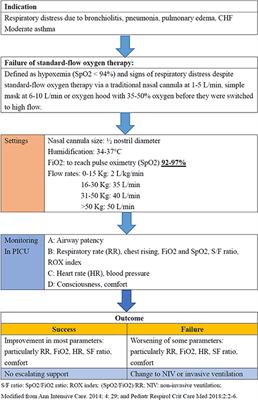
Frontiers High Flow Nasal Cannula Therapy In Children With Acute Respiratory Distress With Hypoxia In A Pediatric Intensive Care Unit A Single Center Experience Pediatrics

Prevalence Of Hypoxaemia In Children With Pneumonia In Low Income And Middle Income Countries A Systematic Review And Meta Analysis The Lancet Global Health

Prediction Of An Increase In Oxygen Requirement Of Sars Cov 2 Pneumonia Using Three Different Scoring Systems Journal Of Infection And Chemotherapy

Anaphylaxis Management Flow Chart Charlie S Ed Emergency Nursing Nurse Study Notes Nursing School Survival

Community Acquired Pneumonia The Lancet
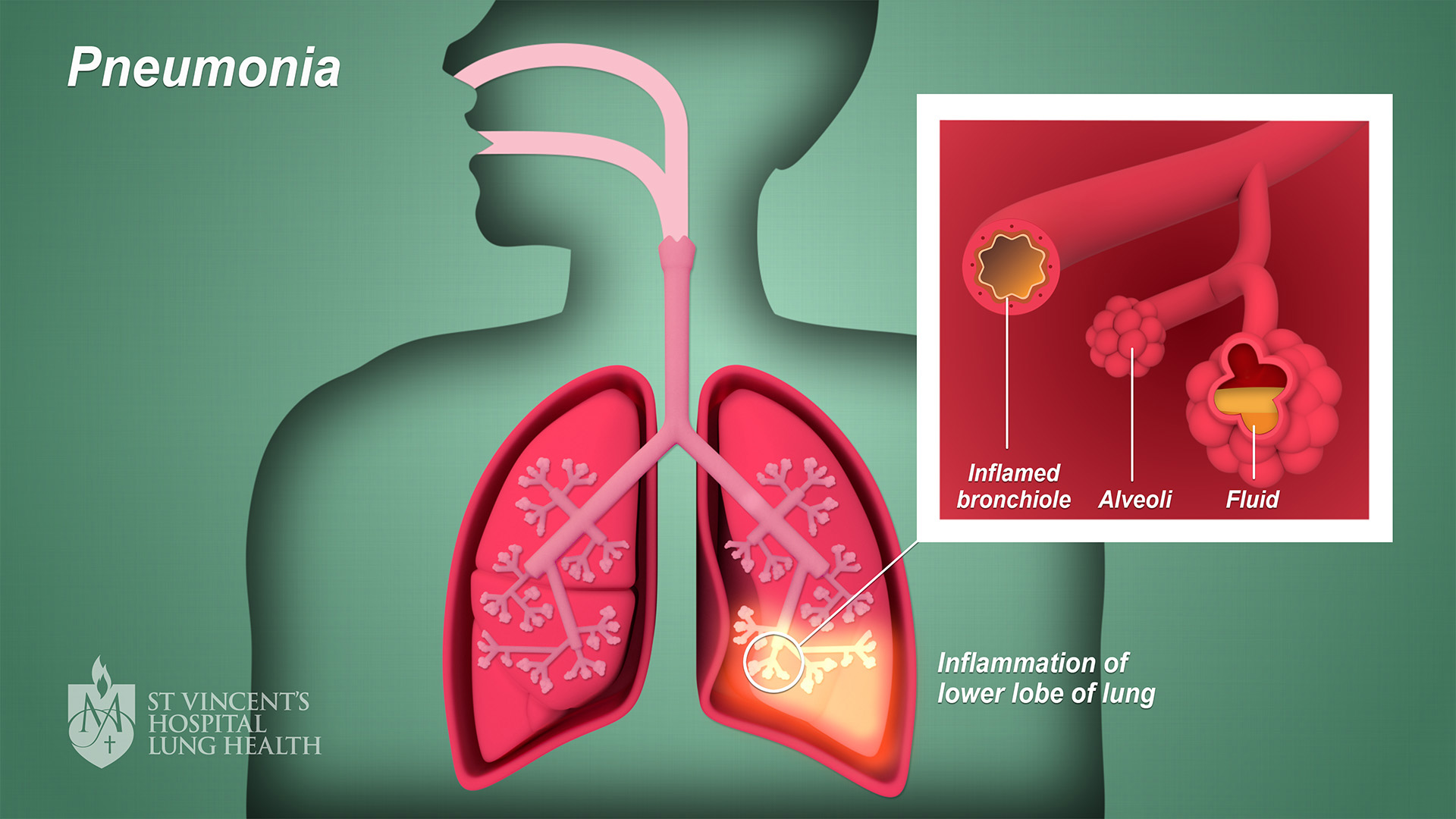
Pneumonia St Vincent S Lung Health

Community Acquired Pneumonia Emcrit Project

Oxygen Flow Rate And Fio2 Nurse Your Own Way Respiratory Therapist Student Respiratory Therapy Pharmacology Nursing
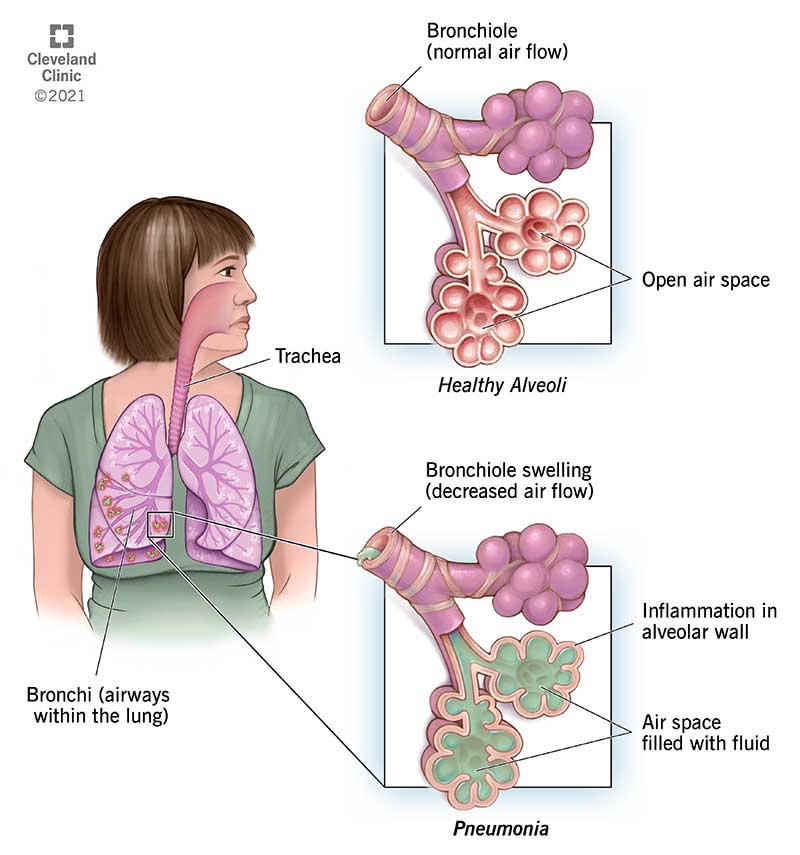
Aspiration Pneumonia What It Is Causes Diagnosis Treatment

Hot Item Pneumonia Intensive Care Shangrila 510s Ventilator With Ce Intensive Care Medical Glove Pneumonia
Pin By Sarah Mccauley On Nursing School Respiratory System Mucus Nursing School

Pneumonia Nursing Care Plans 11 Nursing Diagnosis Nurseslabs

Non Invasive Respiratory Support In The Management Of Acute Covid 19 Pneumonia Considerations For Clinical Practice And Priorities For Research The Lancet Respiratory Medicine